The Invisible Vitamin: Why Reading Aloud Rewires a Child’s Brain

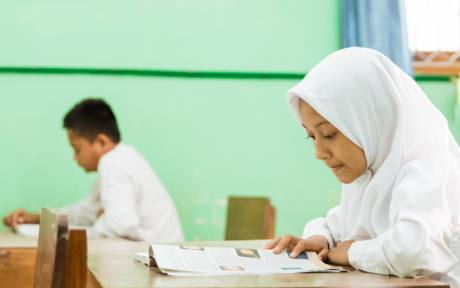
On Wednesday, May 13, 2026, a room in Jakarta filled with 130 people. Kindergarten teachers, elementary school teachers, class coordinators, and parents from 31 schools. They hadn’t come for a new curriculum seminar or the latest education technology. They’d come for something far simpler, to learn how to read a book out loud to a child.
The Read-Aloud Workshop organized by Indonesia’s Ministry of Primary and Secondary Education carried a message that struck people precisely because of how ordinary it sounded. Roosie Setiawan, founder of the Read Aloud Indonesia community, compared the habit to something no one ever thinks twice about, brushing teeth. After a child finishes brushing at night, she said, read one book. No grand project. Just a small routine.
So why would a government ministry need to gather hundreds of educators just to remind them of something this simple?
Because what looks trivial on the surface turns out to be anything but trivial inside a developing brain.
The Daily Language Vitamin
You don’t see what a vitamin does in a single day. You take it, then go about your life, feeling nothing change instantly. But skip it for months, and the body starts quietly showing the deficiency slowly, almost invisibly, until one day the effect becomes impossible to ignore.
Reading aloud works exactly the same way. One bedtime story won’t make a child suddenly able to read tomorrow morning. There’s no dramatic before and after to post online. But repeated every night, for years before a child ever sits in a first grade classroom. This small habit becomes the daily language vitamin that builds a brain ready to read, ready to write, ready to think in words long before a child recognizes a single letter.
And conversely, a child who has gone without this vitamin for years usually only reveals the deficiency once it’s already late: in first grade, once classmates start reading fluently while she’s still feeling her way through.
What Actually Happens Behind a Read-Aloud Voice
When a teacher or parent reads a book aloud, far more happens than a story simply being delivered. The child hears vocabulary that rarely surfaces in everyday conversation. Words that live only inside books, not at the dinner table. The child also begins to absorb how writing is structured, a beginning, a middle, an end, causes that produce consequences.
Classic research by Bus, van IJzendoorn, and Pellegrini in the mid-1990s, synthesizing dozens of studies on parent-child book reading, found that this habit meaningfully contributes to children’s language and reading readiness once they enter elementary school. Whitehurst and colleagues then showed something more specific. How read-aloud sessions are conducted matters as much as how often they happen.
When adults don’t just read but also ask questions, invite the child to tell parts of the story back, and give the child room to become the “storyteller” instead of a passive listener a technique known as dialogic reading. The impact on a child’s language development is considerably larger than one-directional reading alone.
Mol and colleagues, in a more recent meta-analytic review, reinforced this, it’s the interaction during read-aloud sessions, not mere exposure to books, that truly shifts a child’s language trajectory. In other words, this vitamin works best taken while talking, not swallowed in silence.
When a Screen Replaces a Human Voice
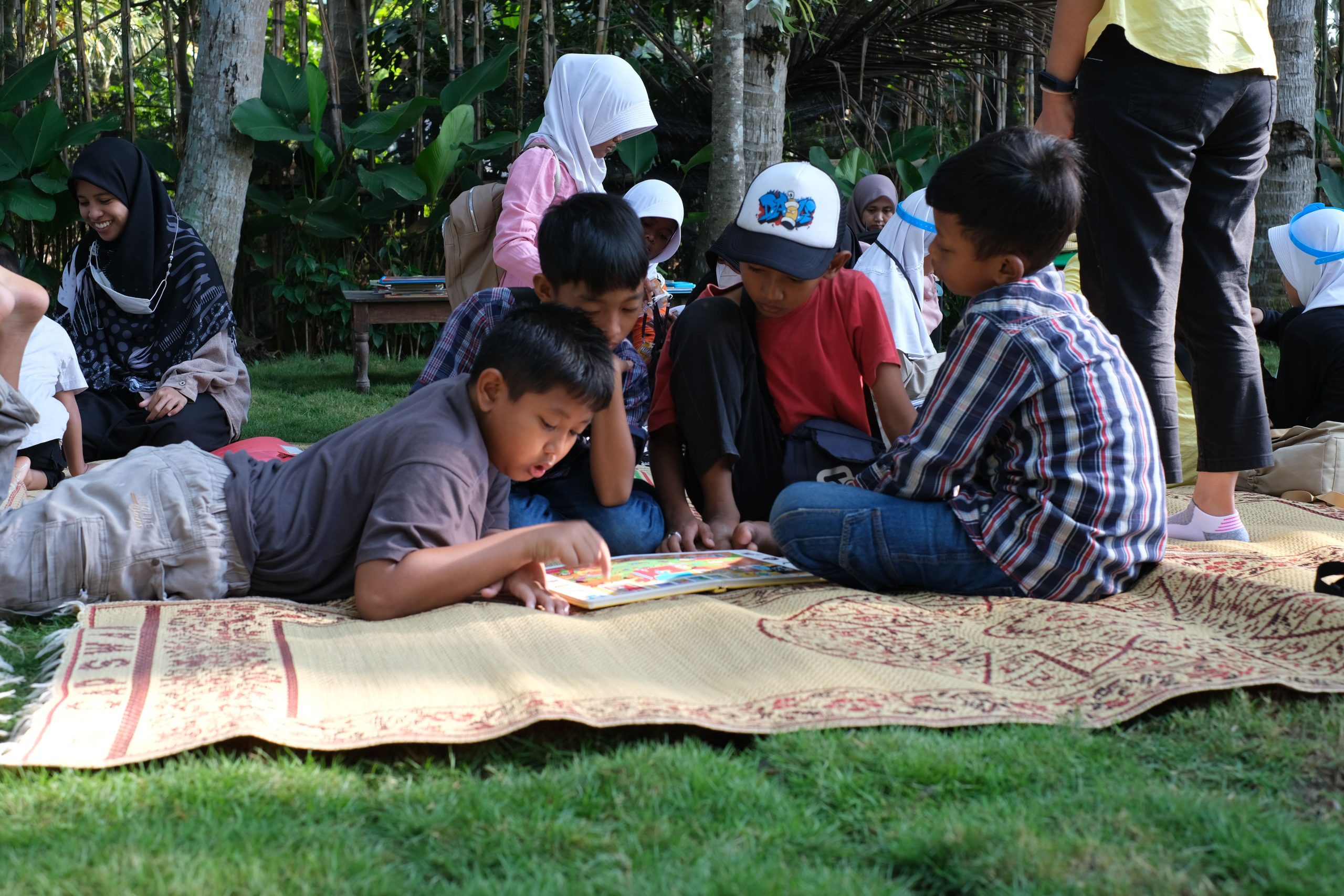
In Indonesia, this urgency cuts sharper for one reason rarely said out loud. Screens now often occupy the spot once held by a parent’s or teacher’s voice. The same workshop noted growing concern over Indonesia’s low reading interest amid rising device use among children from a very young age. A child finds it easier to sit quietly watching short videos than to sit listening to a familiar voice reading a story.
Indonesia’s National Library, through its Gerakan Indonesia Membaca (Indonesia Reading Movement), promotes read-aloud as a daily habit as essential as brushing teeth. One benefit highlighted touches a corner most people wouldn’t expect. Roosie Setiawan, founder of the Reading Bugs community, noted that read-aloud sessions help address speech delay in children, because the vocal stimulation and eye contact during reading build language pathways no screen can replicate.
This isn’t nostalgic romanticism about “the good old pre-screen days.” It’s about what a developing brain neurologically needs. A warm human voice, eye contact, and two-way interaction something no video, however well-produced, can substitute for.
What You Can Start Tonight
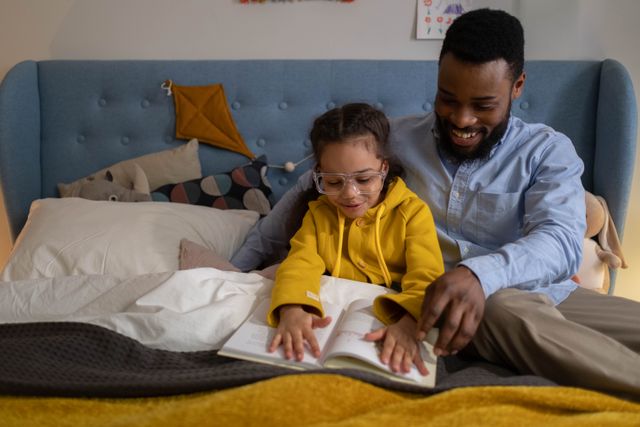
For parents, you don’t need to wait for a perfect moment. One picture book, ten minutes before bed, is enough to begin. Slip in simple questions along the way: “What do you think happens next?” or “Why do you think the character feels sad?” These small questions are what turn a reading session from one-directional delivery into dialogue and it’s the dialogue that makes the vitamin actually absorb.
For early-childhood and elementary teachers, make read-aloud a visible, consistent daily routine, not an occasional activity reserved for visiting guests. Choose books matched to children’s age and interest, use intonation and expression, and pause to ask questions rather than reading straight through without a break.
For schools and policymakers, build read-aloud into the daily structure rather than treating it as an add-on program easily cut when schedules get tight. A vitamin taken occasionally never works as well as one taken every day.
A Voice Planted Now, Harvested Years Later
The 130 people who gathered in Jakarta that May weren’t learning some complicated new teaching technique. They were being reminded that one of the most impactful interventions for a child’s literacy future can start tonight, with one book and one voice willing to spare ten minutes.
You won’t see the result tomorrow morning. But plant this vitamin every night, and years from now, a child who grew up with ears full of stories will stand in front of her first book and begin reading it herself.
References
Bus, A. G., van IJzendoorn, M. H., & Pellegrini, A. D. (1995). Joint book reading makes for success in learning to read: A meta-analysis on intergenerational transmission of literacy. Review of Educational Research, 65(1), 1–21.
Mol, S. E., Bus, A. G., De Jong, M. T., & Smeets, D. J. H. (2008). Added value of dialogic parent–child book readings: A meta-analysis. Early Education & Development, 19(1), 7–26.
Whitehurst, G. J., Falco, F. L., Lonigan, C. J., Fischel, J. E., DeBaryshe, B. D., Valdez-Menchaca, M. C., & Caulfield, M. (1988). Accelerating language development through picture book reading. Developmental Psychology, 24(4), 552–558.
Indonesia’s Ministry of Primary and Secondary Education. (2026, May 14). Read-aloud, a simple way to grow children’s reading interest from an early age [Press release]. https://www.kemendikdasmen.go.id/berita/15374-membaca-nyaring-cara-sederhana-tumbuhkan-minat-baca-anak-sej
National Library of the Republic of Indonesia. (n.d.). Indonesia reading movement: Improving literacy through read-aloud. https://www.perpusnas.go.id/berita/gerakan-indonesia-membaca-meningkatkan-literasi-melalui-membaca-nyaring